
CARL FX TRADING JOURNAL V5.2.1
-
Sale!

Carl FX Trading Journal V5.2.1
₱5,999.00Original price was: ₱5,999.00.₱999.00Current price is: ₱999.00.
Download here:
We recommend using WPS Office to fully leverage the potential of this trading journal. If you don’t already have WPS Office installed, you can download it here: Download here
Download Winrar here: Download here
Trading Journal Features:
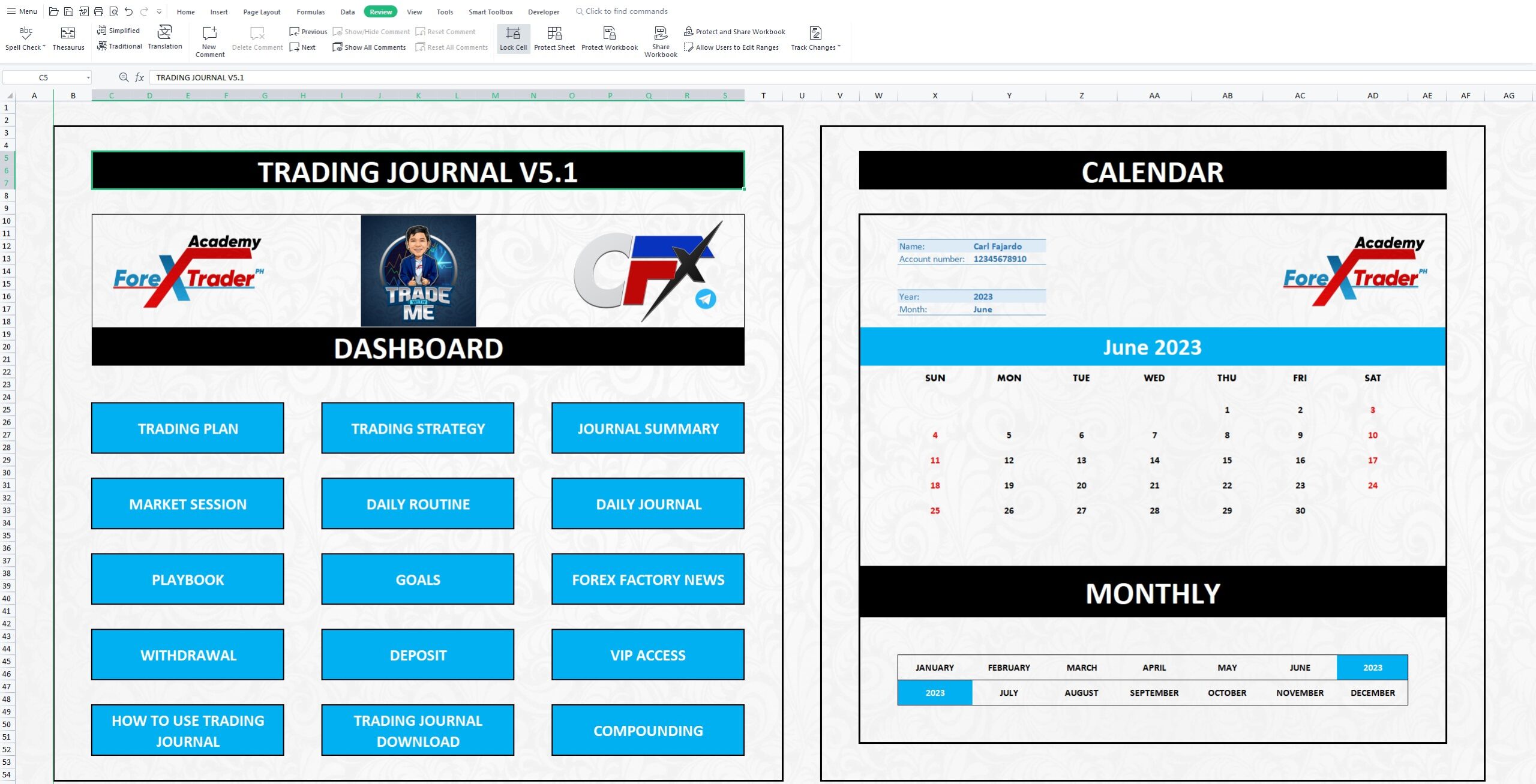


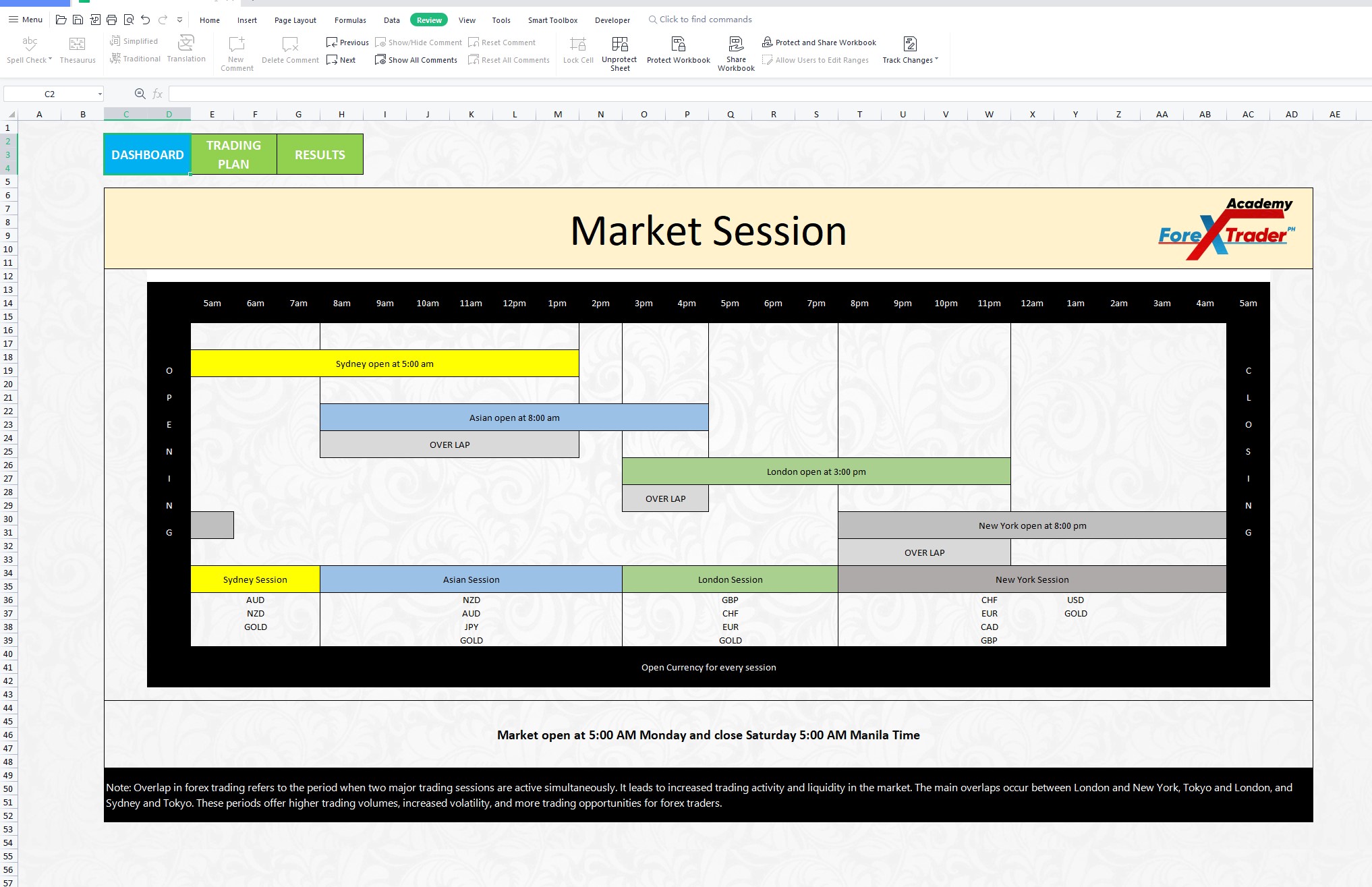
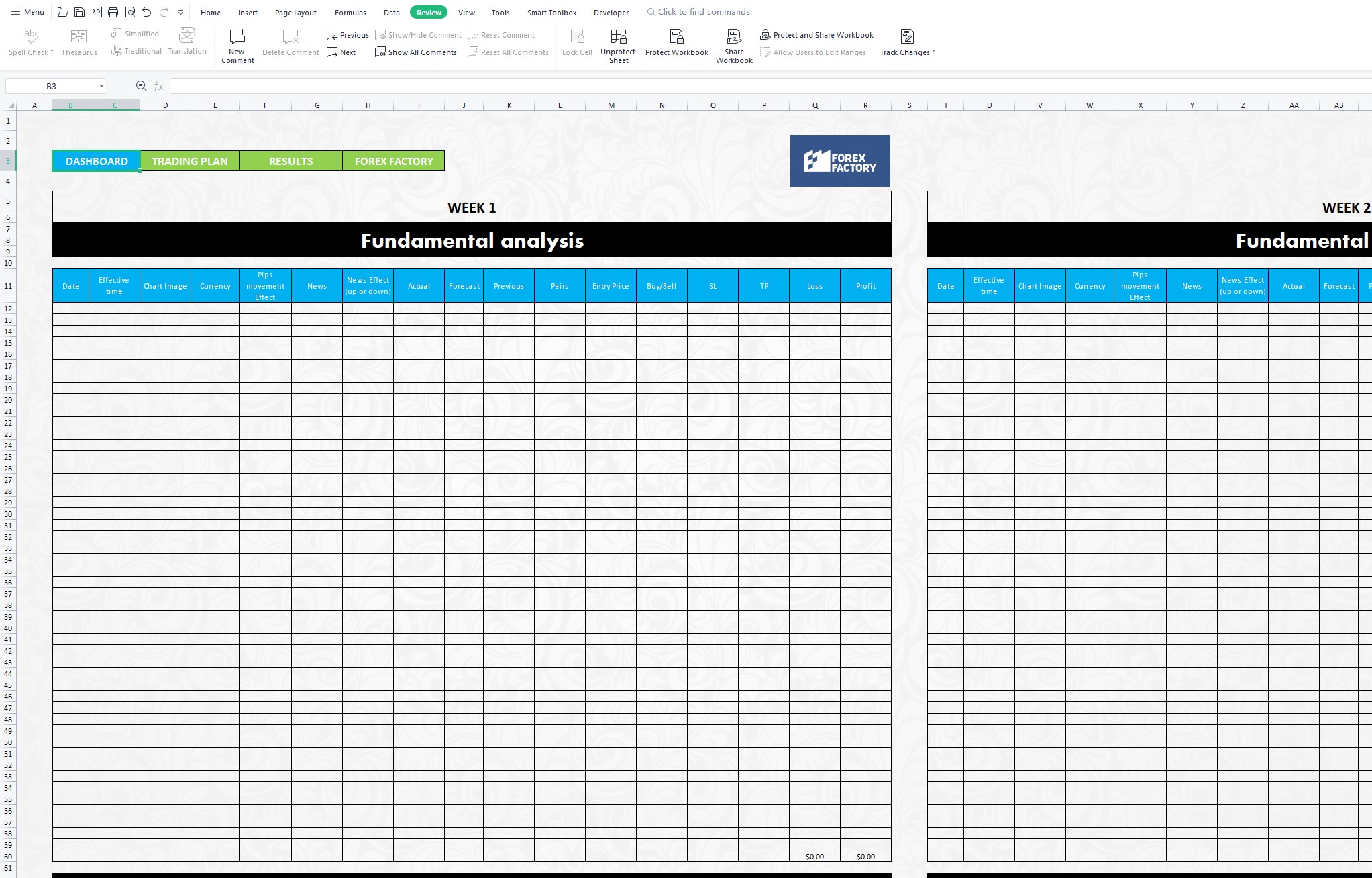
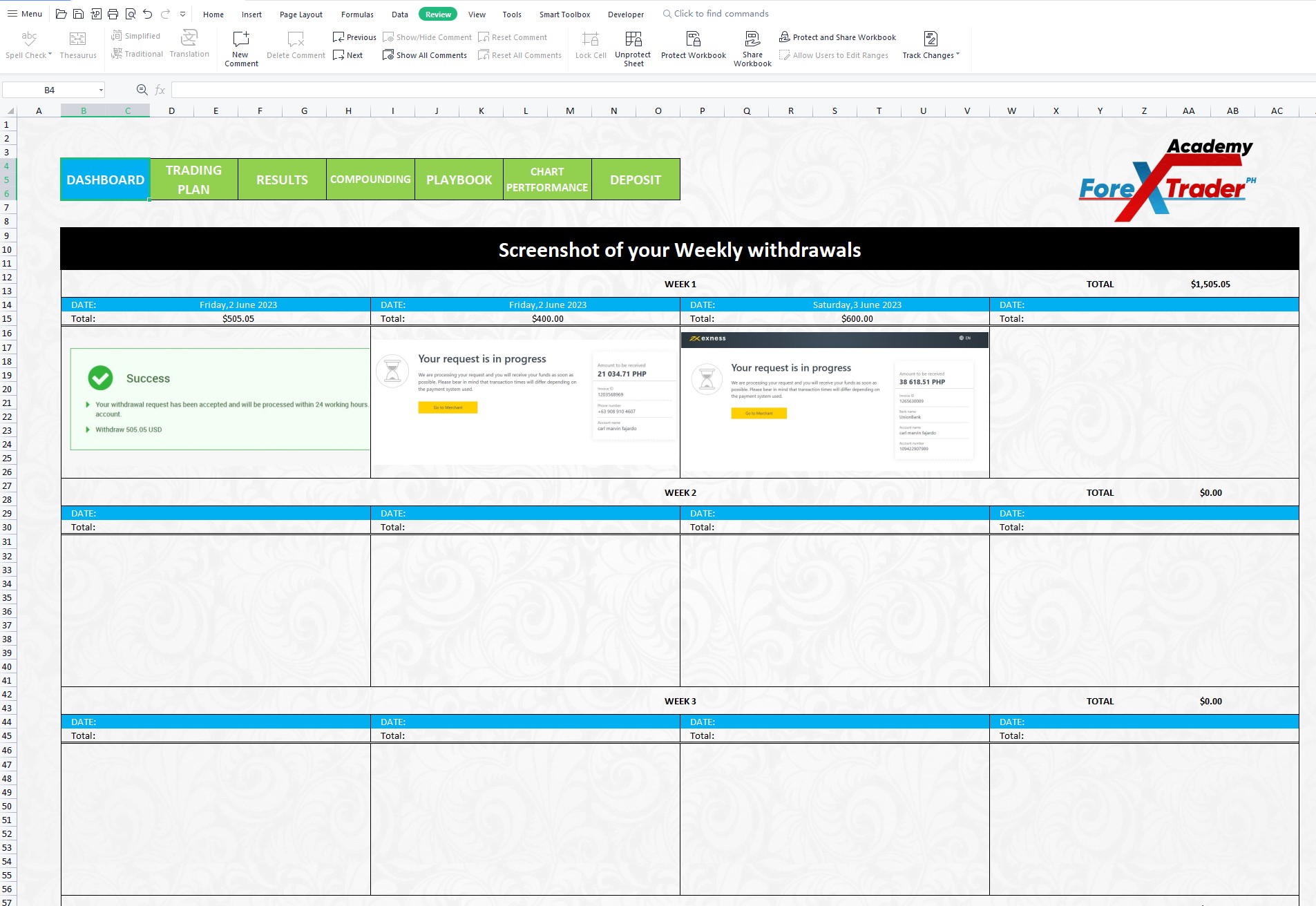
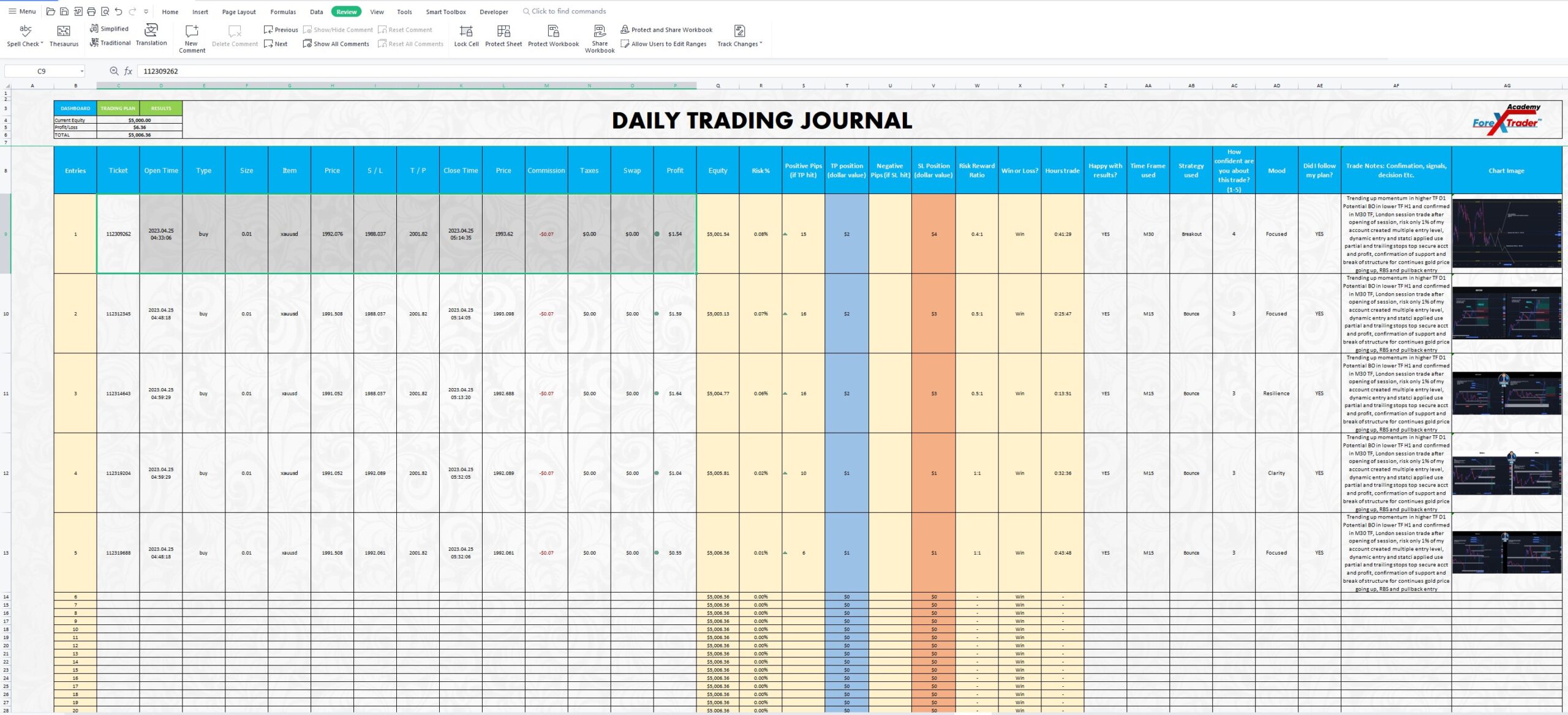
Introduction:
Forex trading is a dynamic and complex financial market that requires discipline, analysis, and continuous learning. One crucial tool that can significantly enhance a trader’s performance and decision-making is a trading journal. A trading journal is a record-keeping system that allows traders to document their trades, strategies, and emotions. In this article, we will explore the key reasons why maintaining a trading journal is essential for success in Forex trading.
Track and Analyze Performance:
A trading journal provides a comprehensive record of all your trades, including entry and exit points, position sizing, stop loss, and take profit levels. By consistently logging your trades, you can analyze your performance over time. This data-driven approach enables you to identify patterns, assess the effectiveness of your strategies, and make data-backed adjustments to improve your trading outcomes.Identify Strengths and Weaknesses:
Keeping a trading journal allows you to identify your strengths and weaknesses as a trader. By reviewing your past trades, you can determine which strategies are consistently profitable and which ones need improvement. You can also identify recurring mistakes or behavioral patterns that may hinder your success, such as overtrading, emotional decision-making, or failure to adhere to risk management rules. Recognizing these weaknesses empowers you to work on them and refine your trading approach.Enhance Decision-Making:
Forex trading requires making quick decisions in a constantly changing market environment. A trading journal helps you make more informed decisions by providing a historical reference point. By reviewing past trades, you can evaluate the success rate of specific strategies, assess the impact of different market conditions, and identify factors that influenced your trades. This retrospective analysis promotes a systematic approach to decision-making and helps you avoid repeating past mistakes.Maintain Discipline:
Discipline is a fundamental aspect of successful Forex trading. A trading journal acts as a tool for self-accountability and helps you maintain discipline in your trading activities. When you have a written record of your trades, you can evaluate whether you followed your trading plan, stuck to your risk management rules, and exercised patience and discipline during volatile market periods. Regularly reviewing your journal reinforces good trading habits and reduces impulsive behavior.Emotional Awareness and Control:
Emotions can significantly impact trading decisions, often leading to irrational behavior and poor outcomes. A trading journal provides insights into your emotional state during trades. By documenting your thoughts, feelings, and reactions at the time of trading, you can identify emotional biases that influence your decision-making process. Recognizing these emotional patterns allows you to develop strategies to manage and control them, leading to more rational and objective trading decisions.
Conclusion:
A trading journal is an indispensable tool for Forex traders seeking to improve their performance and consistency. By diligently recording and analyzing your trades, you gain valuable insights into your strengths, weaknesses, and trading patterns. The journal helps you refine your strategies, maintain discipline, and make informed decisions based on historical data. Embracing the practice of keeping a trading journal can significantly contribute to your long-term success as a Forex trader.
Remember, success in Forex trading comes through continuous learning, adaptation, and self-improvement. Start your trading journal today and unlock the power of data-driven decision-making in your Forex trading journey.
How to use trading journal
How to level up your trades using Carl FX V5.1 Trading Journal
Final Advice for Keeping a Helpful Trading Journal:
Start Before and End After the Trade:
To ensure comprehensive record-keeping, always begin your trading journal before entering a trade and end it after the trade is closed. This approach allows you to capture all relevant information and provides a complete picture of the trade’s lifecycle.Be Honest and Include Everything:
Maintain honesty and transparency in your journal by including every detail, no matter how insignificant it may seem. If you got distracted and forgot to exit a trade because you were playing Call of Duty, make a note of it and explain the reasons behind your actions. The more thorough you are, the better insights you’ll gain from your journal.Pay Close Attention to Your Emotions:
Emotions play a significant role in trading decisions. Take note of your emotions before, during, and after each trade. Whether it’s excitement, fear, or frustration, recording your emotional state helps you identify patterns and understand how they affect your decision-making process.Balance Self-Analysis and Market Observations:
While self-analysis is important, don’t neglect observations about the forex market itself. Include your thoughts and observations on market conditions, trends, news events, and any other relevant factors. By incorporating both personal reflections and market analysis, you’ll develop a more holistic understanding of your trading performance.Utilize Intraday Charts and Comments:
Accompany your journal entries with screenshots of intraday charts depicting each day’s price action. Add comments to these charts, highlighting significant market movements, key levels, or patterns you are observing. This visual representation enhances your understanding of market dynamics and helps you identify recurring patterns over time.Identify Emerging Patterns:
After consistently maintaining your trading journal for a couple of months, you’ll start noticing patterns emerging in real-time. By reviewing your past entries, you can identify common trading setups, recognize successful strategies, and pinpoint areas for improvement. These patterns serve as valuable insights and help refine your trading approach.Training Your Eye:
Consider your trading journal as a powerful learning tool for training your eye to recognize the setups you want to trade. By documenting your observations, decisions, and outcomes, you develop a heightened awareness of market dynamics and improve your ability to spot favorable trading opportunities.Record Everything, No Matter How Silly:
Don’t dismiss seemingly insignificant details. Record everything, even if it appears silly or unrelated to trading. Whether you missed a trade due to watching a TV show or being engrossed in a video game, write it down. By including such occurrences, you gain a comprehensive understanding of the factors that may influence your trading decisions.
Remember, a trading journal is a personal and customized tool designed to enhance your trading skills and performance. The more thorough and honest you are in maintaining it, the more valuable insights you’ll gain to refine your trading strategies and achieve consistent success.